
In the digital age, a church’s online presence can be just as important as its physical one. A well-designed church website serves as the virtual front door to your congregation, welcoming new visitors and keeping your members informed. Here are ten essential features that every church website design should include to ensure it is effective and engaging.
Clear Navigation

A user-friendly menu with clear headings makes it easy for visitors to find information about services, ministries, events, and contact details.
Clear navigation is crucial on a church website as it guides visitors through the site with ease, ensuring they find the information they seek without frustration. It acts as a roadmap, directing them to essential areas like service times, event calendars, and contact details. Good navigation enhances user experience, reflecting the church’s welcoming nature and organizational clarity. It’s especially important for first-time visitors who are looking for a new place of worship or seeking to learn more about the church’s community and values. Ultimately, clear navigation can help turn an online visitor into a regular attendee.
Service Times and Location
Prominently display service times and location on the homepage. Consider adding a map and directions for new visitors.
Service times and location are vital on a church website as they provide essential information for attendees and newcomers. They facilitate planning visits, ensuring accessibility and convenience. This transparency fosters a sense of openness and invitation, key to building a welcoming community and encouraging participation in church life.
Contact Information
Include a ‘Contact Us’ page with phone numbers, email addresses, and a contact form to make it easy for people to reach out.
Contact information on a church website is indispensable as it bridges the gap between the church and the community. It enables direct communication, fosters relationships, and provides a lifeline for support, inquiries, or pastoral care, embodying the church’s commitment to being accessible and responsive to its congregation’s needs.
Plan a Visit
Include a ‘Plan a Visit’ page with what makes your church unique, address common questions, highlight how children will be taken care of to make visitors feel informed and at ease.
A ‘Plan a Visit’ page is crucial for church websites as it welcomes potential visitors by simplifying their first experience. It provides essential information like service times, parking details, dress code and children’s programs, easing anxieties about the unknown and fostering a sense of belonging before they even arrive.
About Us Section

Provide an overview of your church’s mission, beliefs, and history to connect with visitors on a personal level.
An “About Us” section is essential on a church website as it conveys the church’s identity, beliefs, and history. It helps visitors understand the church’s core values and mission, fostering a deeper connection. This section can be pivotal in helping individuals decide if they’ve found their spiritual home.
Online Sermons and Worship Services
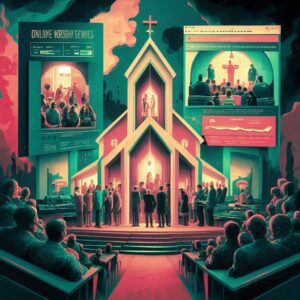
Offer recordings or live streams of sermons and services for those who cannot attend in person.
Online sermons and worship services on a church website are essential as they extend the church’s reach, allowing those unable to attend in person to participate spiritually. They provide comfort, continuity, and community for all, reflecting the church’s adaptability and commitment to inclusivity in a digital world.
Event Calendar

Keep your congregation up to date with an easily accessible calendar of upcoming events and programs.
An event calendar is a cornerstone of a church website, serving as a central hub for scheduling. It informs the congregation of upcoming gatherings, fostering community involvement. This organizational tool ensures events are well-attended and members remain connected to the church’s vibrant life and spiritual journey.
Online Giving
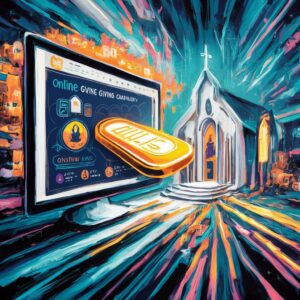
Enable members to tithe and donate conveniently through secure online giving options.
Online giving on a church website is important because it offers a convenient way for members to support the church financially. It reflects modern giving habits and ensures the church’s missions and operations can continue seamlessly. This feature is crucial for sustaining church activities and fostering a spirit of generosity.
Ministries Information
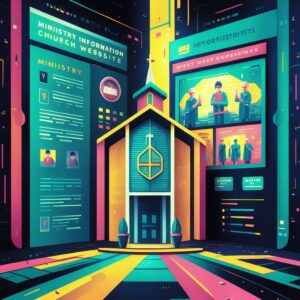
Detail the various ministries and groups within your church, inviting participation and showcasing community involvement.
Information about various ministries on a church website is crucial as it showcases the breadth of church activities and opportunities for engagement. It invites members and visitors to connect with areas they are passionate about, fostering a sense of belonging and active participation in the church’s diverse community.
Social Media Integration

Link to your church’s social media profiles and integrate feeds to keep content dynamic and current.
Social media integration on a church website is vital as it amplifies the church’s message, fosters community, and encourages sharing. It connects the congregation in the digital space, promoting interaction and engagement beyond physical boundaries, and keeps the church’s presence active and relatable in everyday online experiences.
Responsive Design

Ensure your website is mobile-friendly, as many users will access it via their smartphones.
A responsive design is essential for a church website as it ensures the site is accessible on any device, be it a smartphone, tablet, or desktop. This flexibility improves user experience, increases engagement, and reflects the church’s commitment to inclusivity by accommodating the diverse tech habits of its congregation.