
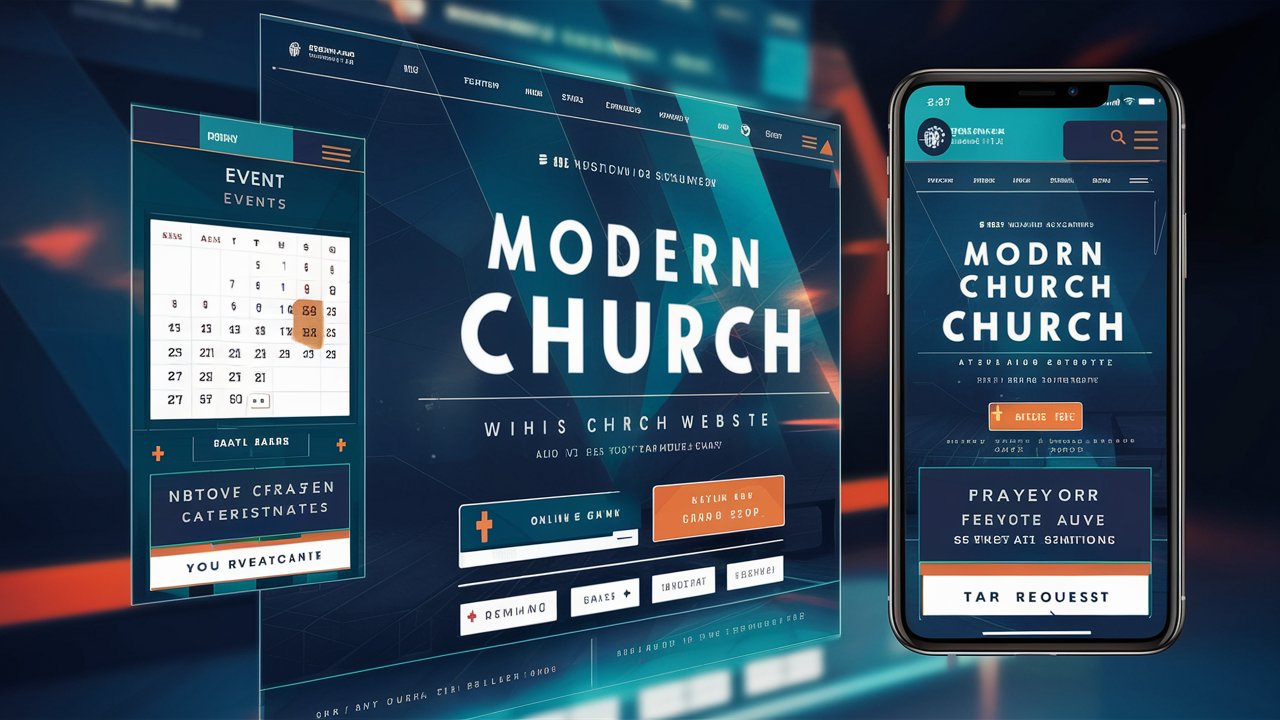
This article explores the key features of effective church websites, including user-friendly design, essential features for engagement, mobile responsiveness, and best practices for maintaining an online presence, with a focus on Church Website Pros services.

Importance of User-Friendly Design
User-friendly design is a pivotal aspect of effective church websites as it plays a crucial role in engaging visitors and guiding them to interact with the church community actively. Clear call-to-action buttons strategically placed on the website can prompt visitors to explore further, sign up for events, or donate to the church, enhancing their overall experience. For instance, a prominent “Join Our Community” button can encourage new visitors to become a part of the congregation by signing up for newsletters or attending upcoming events. By providing intuitive navigation and interactive elements, churches can create a welcoming digital space that fosters a sense of belonging and engagement among visitors.
Furthermore, the content displayed on church websites must be regularly updated to keep visitors informed and engaged with the church’s activities. Multimedia elements, such as videos of sermons or virtual tours of the church, not only provide valuable information but also create a more interactive and dynamic user experience. For example, embedding a video testimonial from a church member sharing their positive experiences can resonate with potential visitors, showcasing the community’s warmth and inclusivity. By maintaining up-to-date content and incorporating visually appealing multimedia elements, churches can effectively communicate their mission and values to a wider audience, ultimately strengthening their online presence and outreach efforts.
Church websites need to reflect the church’s image positively and effectively communicate its unique promise to visitors. By ensuring that the design is user-friendly, engaging, and informative, churches can create a digital platform that resonates with both existing members and potential newcomers. Additionally, by implementing features like multimedia content, clear calls-to-action, and up-to-date information, churches can enhance the overall user experience and foster meaningful connections with visitors. To explore how Church Website Pro can help your church create a compelling and user-friendly website, visit their website at https://churchwebsitepro.com/.
Introduction to Effective Church Websites
Effective church websites serve as vital communication tools, allowing churches to convey their values, activities, and mission to a broader audience. Research indicates that well-designed church websites play a significant role in attracting new members and engaging with the church community. These platforms not only provide information but also create a digital presence for the church in the online space.
Church websites act as the virtual front door of a congregation, welcoming visitors and providing a glimpse into the community’s essence. For example, featuring photos and videos of church events, services, and outreach programs can give visitors a visual representation of the church’s vibrant activities. This visual appeal is crucial in capturing the interest of potential members and fostering a sense of connection even before they set foot in the physical church.
Moreover, an effective church website goes beyond just sharing information; it aims to create an interactive and engaging experience for users. By incorporating elements like online donation capabilities, event registration, and interactive forums for discussions, churches can cultivate a sense of belonging and participation among their online visitors. These features not only make the website user-friendly but also enhance the overall engagement of both existing members and newcomers.

Importance of User-Friendly Design
User-friendly design plays a pivotal role in shaping the online presence of churches, offering a welcoming digital environment for visitors to explore. For instance, an intuitive navigation structure ensures that individuals can easily access information about the church’s services, events, and mission, promoting a seamless browsing experience. Moreover, clear call-to-action buttons strategically placed on the website prompt visitors to interact with the church community actively, whether by joining events, volunteering, or making donations. This user-centric approach not only facilitates engagement but also strengthens the bond between the congregation and the church, fostering a sense of belonging and participation.
In addition to user-friendly design elements, the incorporation of multimedia content on church websites serves as a powerful tool to captivate visitors and convey the church’s message effectively. For example, integrating videos of sermons, virtual tours of the church premises, or photo galleries of community events can create a visually engaging experience that resonates with individuals seeking spiritual connection or involvement in charitable activities. By presenting dynamic and interactive content, churches can cater to diverse preferences and interests, catering to a broad audience while staying true to their mission and values.
To enhance the user experience further, optimizing website accessibility for individuals with disabilities is paramount for ensuring inclusivity and equal access to information. Implementing features such as alt text for images, keyboard navigation options, and compatibility with screen readers can make the website more user-friendly for all visitors, irrespective of their abilities. By prioritizing accessibility alongside user-friendly design, churches demonstrate their commitment to embracing diversity and creating a welcoming online space for everyone to engage with their faith community.
Essential Features for Engagement
When it comes to church websites, the challenge of ineffectiveness is prevalent, with two out of three churches acknowledging their struggle. This underscores the critical need for implementing essential features that not only attract but also engage visitors effectively. To ensure a positive online experience, churches must prioritize being transparent, hospitable, and informative on their websites, reflecting the core values of the congregation.
For enhanced interaction and community building, the integration of social networks and the provision of podcasts of services play a pivotal role in keeping visitors connected and engaged with the church’s activities and messages. These features not only cater to the diverse preferences of the audience but also create avenues for meaningful interactions that extend beyond the physical church space, fostering a sense of belonging and unity within the virtual realm.

Mobile Responsiveness and Accessibility
Mobile responsiveness plays a vital role in meeting the needs of the growing population of users who access websites through mobile devices. With the surge in smartphone and tablet usage, churches need to adapt their websites to various screen sizes to provide a seamless browsing experience for all visitors. For instance, a church website that utilizes responsive design will automatically adjust its layout and content to suit the screen it is viewed on, whether it’s a desktop computer, a smartphone, or a tablet. This ensures that users can easily navigate the site and access information regardless of the device they are using, enhancing their overall interaction with the church’s online platform.
In addition to mobile responsiveness, churches should focus on ensuring that their websites are user-friendly and informative to engage visitors effectively. By organizing content in a clear and structured manner, users can easily find the information they are looking for without getting overwhelmed or lost within the site. For example, providing a simple and intuitive navigation menu can guide visitors to different sections of the website, such as service schedules, events, and donation options, enhancing their overall browsing experience. Furthermore, regularly updating the website with fresh and relevant content, such as upcoming events or sermons, keeps visitors informed and engaged, encouraging them to return to the site for the latest updates and information.
Moreover, incorporating accessibility features into church websites is essential for ensuring inclusivity and catering to individuals with disabilities. This includes features such as alt text for images, keyboard navigation options, and compatibility with screen readers to make the content accessible to all users, regardless of their abilities. By prioritizing accessibility, churches can create a welcoming online environment that accommodates a diverse range of visitors, reflecting the inclusive nature of their physical congregations.
Best Practices for Church Websites
When creating effective church websites, it is essential to consider them as digital sanctuaries that offer a glimpse into the core beliefs and activities of the church. For instance, a church website can provide detailed information about the church’s history, mission, and the various ministries it offers. By showcasing these aspects online, the website becomes a virtual gateway for individuals seeking to connect with the church community, whether they are existing members or potential new visitors.
Moreover, incorporating a benefit statement prominently on the homepage can significantly impact how new visitors perceive the church. For example, a concise and compelling benefit statement can communicate the unique value proposition of the church, such as fostering a welcoming environment, offering spiritual guidance, or providing opportunities for community service. This statement serves as a beacon to guide visitors towards understanding the benefits of engaging with the church, encouraging them to explore further and potentially participate in church activities or services.
In today’s rapidly evolving digital landscape, it is crucial for church websites to adapt and embrace technological advancements to stay relevant and engaging. By regularly updating content, incorporating interactive features like live streaming of services or virtual tours of the church premises, and optimizing the website for various devices, churches can ensure that their online presence resonates with a diverse audience. This dynamic approach not only caters to the current congregation but also attracts new members who are increasingly reliant on digital platforms for information and engagement. To explore how Church Website Pro can help enhance your church’s online presence further, visit their website at.
Enhancing Online Presence with Church Website Pro
When it comes to establishing a strong online presence for churches, Church Website Pro stands out for its expertise in creating custom, mobile-friendly websites. By focusing on design, functionality, and search engine optimization (SEO), Church Website Pro ensures that the websites they develop not only look great but also rank well in search engines, attracting more visitors. For example, Church Website Pro incorporates visually appealing layouts, user-friendly navigation, and strategic SEO techniques to enhance the visibility of church websites, making them more accessible to a wider audience.
Moreover, Church Website Pro’s commitment to enhancing online engagement goes beyond just the initial design phase. They emphasize the importance of creating websites that encourage repeat visits by providing valuable insights and services that keep the content fresh and relevant. This approach helps churches maintain a dynamic online presence that resonates with both existing congregation members and potential new visitors. For instance, Church Website Pro offers regular updates and support to ensure that the websites remain up-to-date and aligned with the church’s evolving needs and initiatives.
To explore how Church Website Pro can transform your church’s online presence and help you effectively connect with your community, take the next step by reviewing our services at https://churchwebsitepro.com/church-design-services/.