
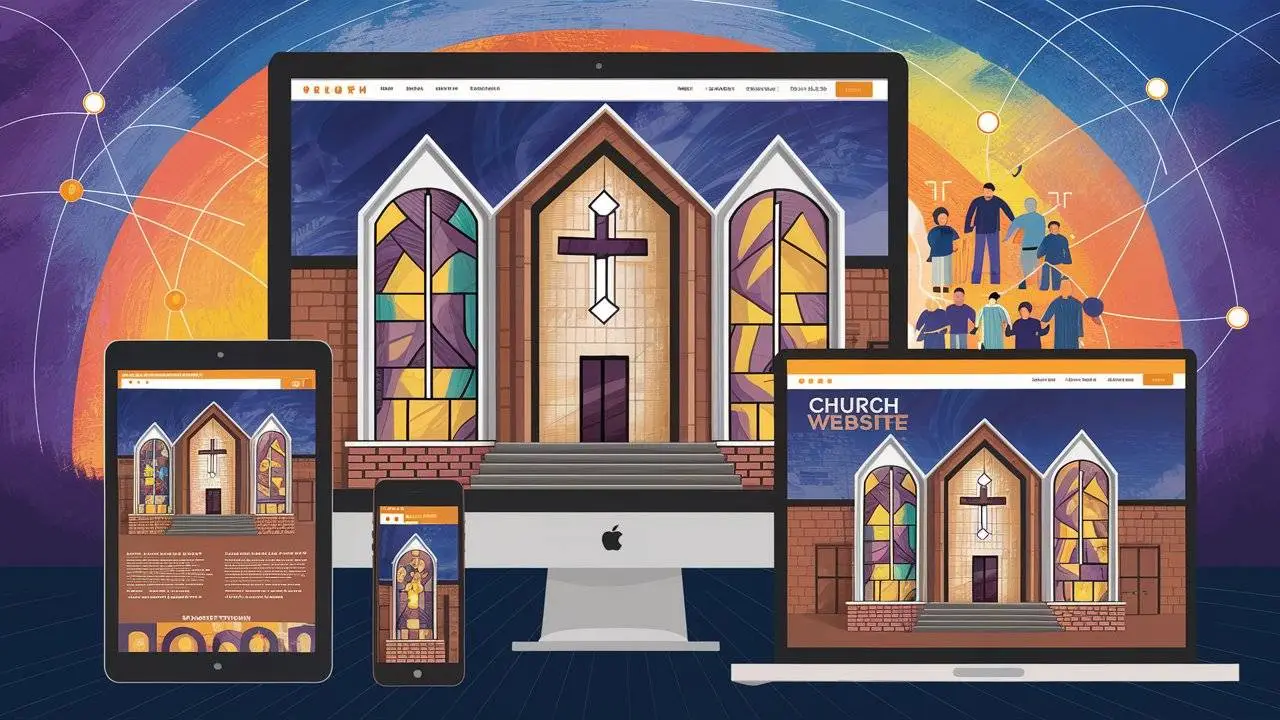
Having an online presence is essential for churches to reach out and connect with their congregations effectively. One crucial aspect of this online presence is the design of the church website. Responsive web design, in particular, plays a pivotal role in ensuring that church websites are accessible and user-friendly across various devices. Let’s delve into why responsive design is paramount for church websites.
Understanding Responsive Design
Responsive design refers to a web design approach that enables web pages to render well on a variety of devices and window or screen sizes. It ensures that the website layout adapts seamlessly to the user’s device, whether it’s a desktop computer, tablet, or smartphone. This adaptability is achieved through the use of flexible grids and layouts, images, and CSS media queries.
Responsive design aims to provide an optimal viewing and interaction experience, making it easier for users to navigate the website, read content, and engage with the church’s mission and activities. By embracing responsive design, church websites can cater to the diverse needs and preferences of their audience, enhancing overall user satisfaction and engagement.
Benefits of Responsive Design for Church Websites
Enhanced User Experience
Responsive design prioritizes user experience by delivering a consistent and intuitive browsing experience across all devices. Whether someone accesses the church website on a large desktop monitor or a small smartphone screen, they can expect seamless navigation and readability, fostering a positive impression of the church and its online presence.
Increased Accessibility
Accessibility is a core principle of responsive design. By ensuring that church websites are accessible on various devices, including those with different screen sizes and capabilities, responsive design promotes inclusivity. It enables individuals with disabilities to access the website content effectively, demonstrating the church’s commitment to welcoming and serving all members of the community.
Improved Search Engine Visibility
Responsive design plays a significant role in search engine optimization (SEO). Search engines, such as Google, prioritize mobile-friendly websites in their search results, making responsive design a crucial factor in improving search engine visibility. By implementing responsive design principles, church websites can enhance their SEO performance, resulting in higher rankings and increased organic traffic.
Cost-Effectiveness
Maintaining a separate mobile version of a website can be costly and time-consuming. Responsive design eliminates the need for multiple website versions by ensuring that the same content is accessible across all devices. This streamlined approach not only saves resources but also simplifies website management and updates, allowing church administrators to focus on delivering relevant and timely content to their audience.
Key Considerations for Implementing Responsive Design
Content Prioritization
When designing a responsive church website, it’s essential to prioritize content based on its significance and relevance to users. Focus on delivering essential information, such as service times, event updates, and contact details, in a clear and accessible manner across all device sizes.
Performance Optimization
Optimizing website performance is critical for ensuring a smooth and responsive user experience. Minimize page load times, optimize images and multimedia content, and leverage caching and compression techniques to enhance website speed and performance on both desktop and mobile devices.
Mobile-Friendly Navigation
Navigation plays a crucial role in guiding users through the website’s content. Design intuitive navigation menus and navigation elements that are easy to interact with on mobile devices, such as collapsible menus and touch-friendly buttons, to facilitate seamless browsing and exploration.
Testing and Iteration
Regular testing across various devices and screen sizes is essential to identify and address any responsiveness issues. Solicit feedback from users and conduct usability testing to evaluate the effectiveness of the responsive design and make iterative improvements as needed.
FAQs (Frequently Asked Questions)
- Why is responsive design important for church websites? Responsive design ensures that church websites are accessible and user-friendly across all devices, enhancing the overall user experience and engagement.
- How does responsive design benefit search engine optimization (SEO)? Responsive design improves SEO performance by making websites more mobile-friendly, which can lead to higher search engine rankings and increased organic traffic.
- Is responsive design cost-effective for churches? Yes, responsive design eliminates the need for maintaining separate mobile versions of websites, saving resources and simplifying website management.
- What are some key considerations for implementing responsive design? Content prioritization, performance optimization, mobile-friendly navigation, and regular testing are essential considerations for implementing responsive design effectively.
- Can responsive design improve accessibility for individuals with disabilities? Yes, responsive design promotes inclusivity by ensuring that websites are accessible on various devices, making it easier for individuals with disabilities to access the content.
- How can churches ensure that their websites provide a seamless user experience across all devices? Churches can ensure a seamless user experience by prioritizing responsive design, optimizing website performance, implementing mobile-friendly navigation, and conducting regular testing and iteration.
Responsive design is not just a trend but a necessity for church websites seeking to effectively engage and connect with their online audience. By prioritizing responsiveness and user experience, churches can create inclusive, accessible, and impactful online platforms that reflect their mission and values. Embracing responsive design is a proactive step towards reaching and serving the community in today’s digital landscape.